Skin
· 4 min read
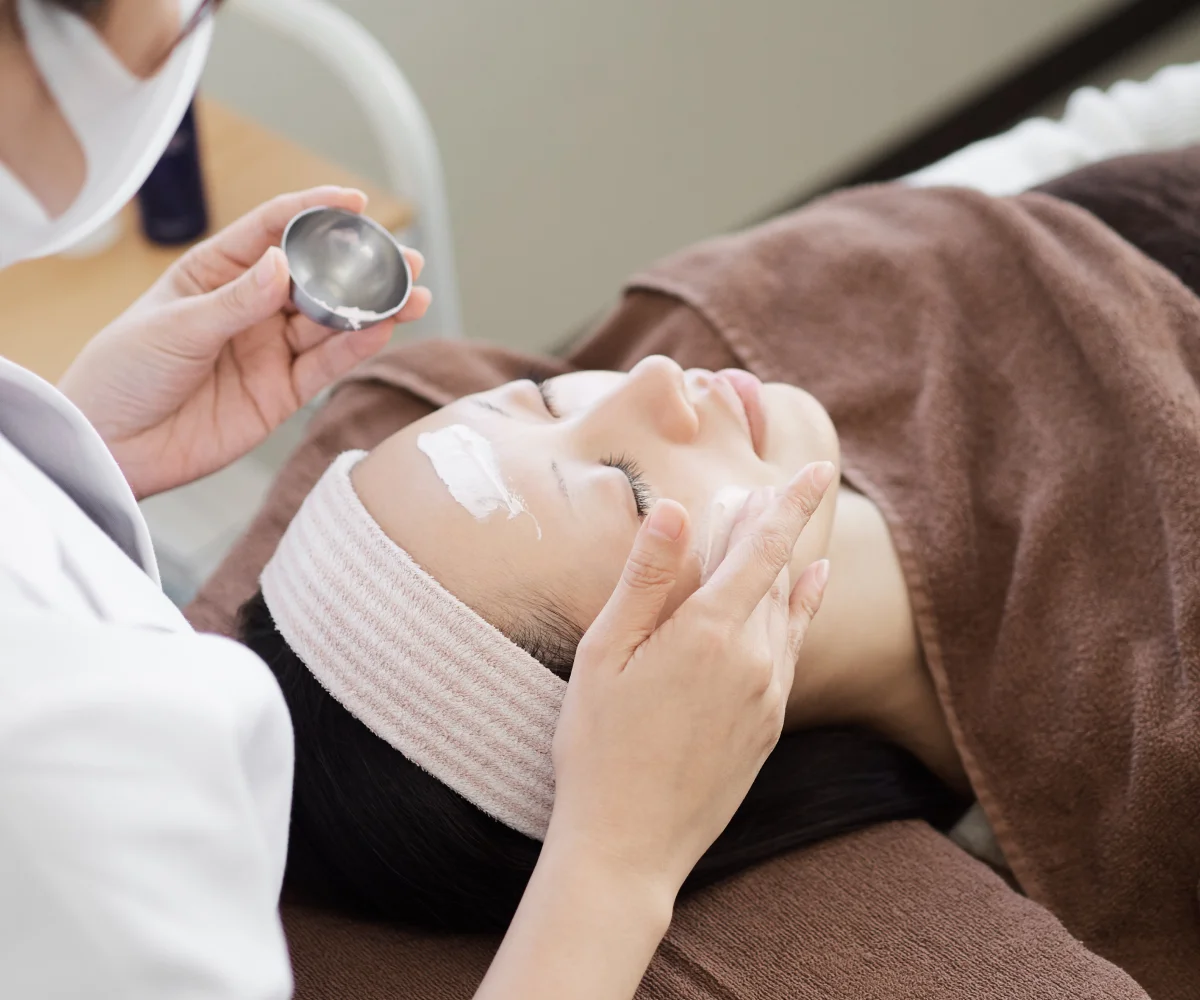
When the AQI in Gurgaon crosses 300, a face wash you have used for years can start to sting, and by noon your cheeks feel too tight to smile comfortably. Your cleanser is probably not the problem. A damaged skin barrier usually is: fine particles sit on your skin all day, room heaters dry the air at night, and the outer layer that holds water in stops doing its job. Most people respond with more scrubbing, more acids and one extra serum, and end up with a broken skin barrier that reacts to almost everything. We see this at our clinic every winter. The fix is a shorter routine, the right lipids, cleaner indoor air and a few weeks of patience. Start with what that outer layer is actually made of.
What your skin barrier actually does
The outermost layer of skin, the stratum corneum, is made of flat dead cells packed in ceramides, cholesterol and free fatty acids. That lipid mix keeps water in and keeps irritants, bacteria and pollutants out. The surface also stays slightly acidic, around pH 4.5 to 5.5, which supports the skin's own microbes.
When the lipids run low, water escapes faster (this is called transepidermal water loss) and anything you apply or breathe in reaches deeper layers more easily.
How high AQI damages the barrier in Gurgaon
Between late October and January, Gurgaon's AQI often sits in the CPCB's very poor (301 to 400) or severe (401 to 500) range. PM2.5 and PM10 particles land on your face and carry heavy metals and polycyclic aromatic hydrocarbons. Ozone and nitrogen dioxide add oxidative stress, which breaks down skin lipids and uses up the vitamin E on the surface. Inflammation follows. The barrier thins.
Your own habits during these months usually add to it:
- You wash your face four or five times a day with a harsh, sulfate-heavy foaming cleanser after every commute.
- Scrubs and brushes go on harder because the skin "feels dirty."
- Retinol, glycolic acid and vitamin C all end up in the same week's routine.
- Room heaters and car heating run for hours and dry the air around you.
- Hot showers.
Signs of a broken skin barrier
Barrier damage looks different from ordinary dry skin. Dry skin feels better after moisturiser, while a compromised barrier often stings when you put moisturiser on.
| What you notice | What it usually points to |
|---|---|
| Tightness within minutes of washing | Lipids are low and water is escaping |
| Stinging or burning from products you used comfortably before | The surface lets actives in too quickly |
| Redness around the nose, cheeks and chin | Low-grade inflammation that hasn't settled |
| Flaking or rough patches that makeup clings to | Surface cells shedding unevenly |
| New breakouts on skin that was clear | Often mistaken for regular acne, then treated with more drying products |
How to repair damaged skin barrier at home
Most mild to moderate cases respond to a short, plain routine. Follow this order.
- 1Pause every active for two to four weeks. Retinoids, AHAs, BHAs, benzoyl peroxide, vitamin C, scrubs, clay masks and peels all go on hold.
- 2Cleanse once or twice a day with a gentle foam-based facewash and lukewarm water. A soft foam lifts pollution particles and sunscreen residue without stripping lipids, which is why it suits barrier repair when you pick the right formula. If you've been outdoors, take off sunscreen at night with a cleansing balm first. A water rinse in the morning is enough for dry skin.
- 3Moisturise on slightly damp skin, morning and night. Look for ceramides, cholesterol and fatty acids together, with glycerin or panthenol alongside. Ceramides on their own work less well than the full mix.
- 4At night, put a thin layer of petrolatum (Petroleum Jelly) over the driest patches, since it reduces water loss.
- 5Use a mineral sunscreen with zinc oxide, SPF 30 or higher, every morning. Add niacinamide at 2 to 5 percent only after the stinging has stopped.
- 6Clean the air where you spend most of your time. A HEPA air purifier in the bedroom, windows shut on severe AQI days, and a humidifier that keeps the room near 40 to 60 percent humidity make a measurable difference.
How long recovery takes
A mildly damaged skin barrier usually settles in two to four weeks, since skin renews its surface over roughly 28 days. Deeper damage, older skin and a month of severe AQI can push that to six weeks or more.
Bring actives back one at a time, with at least a week between each, and add the retinoid last at two nights a week. If stinging returns, go back one step.
When to see a skin specialist
Home care has limits. Book an assessment if any of these apply:
- Burning that hasn't eased after a week of simple care
- Oozing, crusting or visible swelling
- A rash that spreads beyond the face
- Acne that keeps flaring with no new products
- No clear improvement after four weeks
Persistent redness and itching can also be eczema or contact dermatitis rather than a broken skin barrier, and those need a different plan.
At Qilume Aesthetics in Sector 45, we start by examining your skin in person and asking what you've used over the last two months. Chemical peels, for instance, stay off the plan until stinging has stopped. Once the barrier is stable, we can look at skin boosters for hydration, pigmentation treatment for marks left behind by inflammation, or acne treatment in Gurgaon if breakouts are still active. You can book a consultation whenever it suits you.
Frequently Asked Questions
Can pollution alone cause a broken skin barrier?+
Rarely. Pollution usually adds to dry winter air, over-exfoliation and harsh cleansers, and it's the combination that breaks the barrier down.
Is a thicker moisturiser enough?+
Not always. A rich cream without ceramides and fatty acids can feel comfortable for an hour and still leave the barrier short of lipids.
Can I use vitamin C during high AQI?+
Once your skin has stopped stinging, a low-strength serum in the morning is fine. Skip it while the skin is red or flaking.